My Trading Card Shop Card Grading Guide
Spend grading fees only on cards that earn display space, prestige, and smarter long-term value.
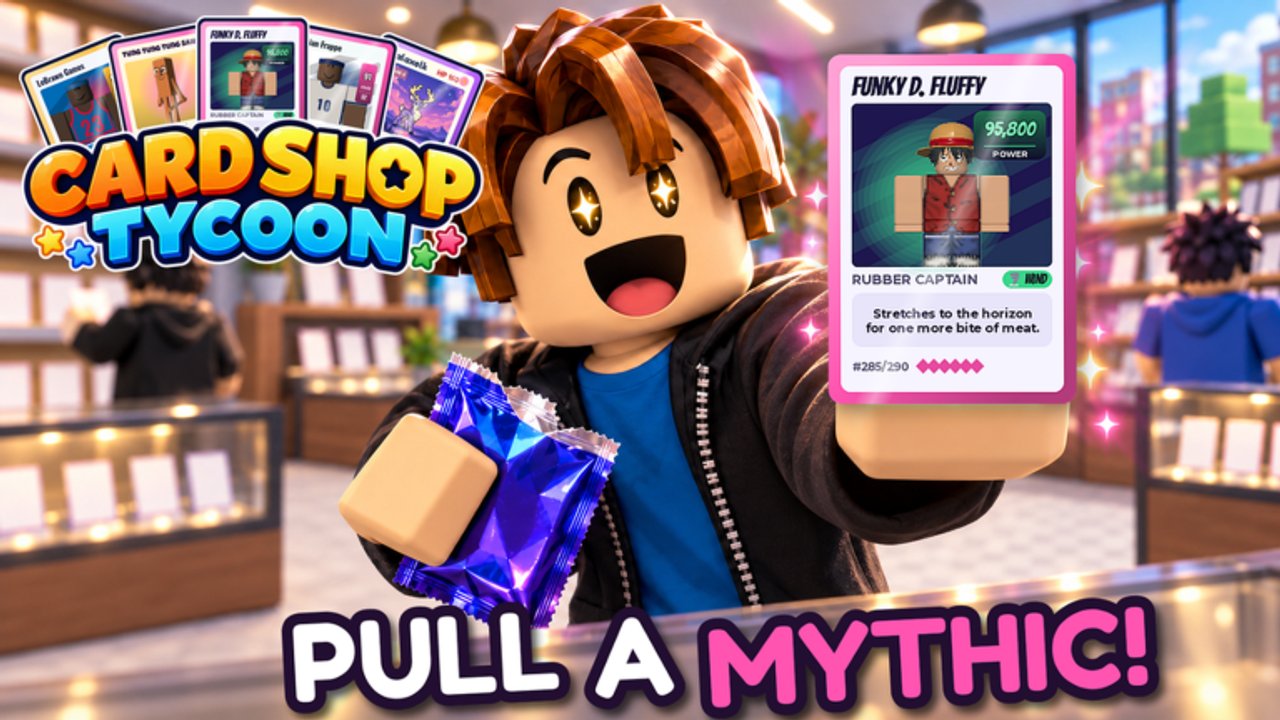
Grading is how My Trading Card Shop! turns a lucky pull into a centerpiece. Instead of leaving every foil in a crowded bulk bin, you submit standout cards, pay a fee, wait through the BETA grading flow, and showcase the results in display cases that tell customers your shop is serious. Done right, grading boosts prestige and trade interest. Done blindly, it drains the cash you need for restocks and expansion.
Read this after Getting Started and Pack Opening. Pair fee decisions with Make Money so grading never bankrupts the floor. Pack priority context lives on the Tier List Hub.
What grading is for
- Highlighting chase pulls from Signature, Hot, and Holo packs.
- Feeding display cases that market your store’s identity.
- Signaling quality to traders and leaderboard chasers — see Players.
- Creating “museum” moments that keep browsers in the shop longer.
Grading is not a magic sell button for every common. If a card’s only destiny is a quick shelf sale, keep it raw and price it to move.
Fees, waits, and opportunity cost
Exact fee numbers and timers can shift during BETA, so treat these rules as strategy rather than hardcoded math:
- Fee vs replace cost — if grading costs more than you would spend pulling a similar spare, think twice unless the card is personally important to your album story.
- Wait vs session goals — time in grading is time that card is not on a shelf earning cash. Submit before you AFK or at session end when possible.
- Cash buffer — never grade yourself into an empty restock wallet. Shelves print money; slabs impress people.
- Batch discipline — grade a shortlist of true hits, not twenty mid cards because the button is tempting.
If an automation menu offers Auto Grade, remember it cannot judge sentimental or market value for you. The Scripts Hub also warns that bots risk bans and may submit the wrong inventory after patches.
Which cards are worth grading
Strong yes
- Best pulls from Signature packs.
- Eye-catching Holo and Hot hits that match your shop theme.
- Album centerpieces you want visitors to notice immediately.
- Cards you plan to display rather than flip the same hour.
- Pieces with clear trade demand among collectors.
Usually no
- Bulk commons and easy duplicates.
- Mid cards you plan to discount just to clear space.
- Anything you need to liquidate this session for an expansion payment.
- Novelty pulls outside your identity when cash is tight (for example excess meme stock in a sports-only boutique).
When unsure, leave the card raw for a session. If it still feels special tomorrow and cash is healthy, submit it then.
Display cases and shop storytelling
Graded cards shine when the floor composition supports them:
- Place cases where traffic naturally pauses — near entrances or central aisles.
- Match décor to the graded set (Anime wall, sports hall, Criti’mon corner).
- Keep surrounding shelves stocked; a gorgeous case above empty hooks feels unfinished.
- Rotate showcased slabs when new Signature rips land so regulars see fresh prestige.
Display strategy is part of branding. A shop known for graded hockey hits will attract a different crowd than a Brainrot meme shack — both can work, but grading budgets should follow the brand you actually stock. Theme spikes after patches are called out on Updates.
Workflow: from pack to slab
- Open premium packs with a plan (Pack Opening).
- Sort pulls into retail / trade / grade-review piles.
- Price retail immediately so cash keeps moving (Make Money).
- Shortlist grade-review cards against fee and display space.
- Submit only the shortlist; note what left the inventory.
- After return, assign slabs to cases or premium presentations.
- Reinvest profits into restocks and expansion before another grading spree.
This pipeline keeps dopamine from overriding accounting.
Trading graded cards
Graded items can anchor fair trades for album gaps, but do not overpay in panic. Confirm what you still need, avoid trading your only display centerpiece for bulk filler, and prefer reputable player-to-player deals over sketchy middlemen. Broader trading habits and leaderboard context sit in Players.
Codes, friends, and grading budgets
Active codes often inject Hot, Holo, and Signature packs — the exact fuel grading wants. Redeem at Level 2, rip with intent, then grade the cream. Running the shop with friends adds ~10% cash on sales, which refills the fee budget faster than solo AFK ever will.
Daily rewards matter too. A missed daily is a missed buffer that could have paid a grade without touching expansion funds.
Common grading mistakes
- Submitting everything foil-shiny without a display plan.
- Grading while shelves are empty.
- Ignoring open-only promo packs, then having nothing premium to submit later.
- Spending gem and cash cosmetics and “surprise” having no fee money.
- Letting Auto Grade decide your entire inventory destiny.
- Never checking Updates after economy tweaks.
How grading fits the whole wiki path
Grading sits late in the skill stack on purpose. Learn stocking and pricing, understand pack tiers via the tier list, build album awareness, then slab the heroes. For the big-picture pitch of the Roblox tycoon, skim the wiki overview. When BETA changes timers or UI labels, trust the live client and adjust — this guide’s decision framework still holds even if button names move.
Patient graders end up with shops that feel like galleries. Impatient graders end up with expensive lessons and bare shelves. Choose the gallery.
Frequently Asked Questions
Quick answers to the most common questions.
When should I grade a card?
Grade standout Signature, Hot, or Holo hits you plan to display or trade as prestige pieces — and only when you still have a restock cash buffer.
Should I grade commons?
Usually no. Commons belong on priced shelves. Spending fees on bulk slows expansion and rarely improves shop identity.
Do graded cards sell better?
They shine in display cases and trades. For fast cash, raw duplicates priced well often outperform waiting on a slab you do not showcase.
Can scripts auto-grade for me?
Some menus advertise Auto Grade, but they risk bans and bad submissions. Learn manual selection first and read the Scripts Hub disclaimer.
How do codes help grading?
Level 2 codes often grant Hot, Holo, and Signature packs — the best legitimate source of grade candidates early on.